
Operating Microscopes for Cataract and Ophthalmic Surgery
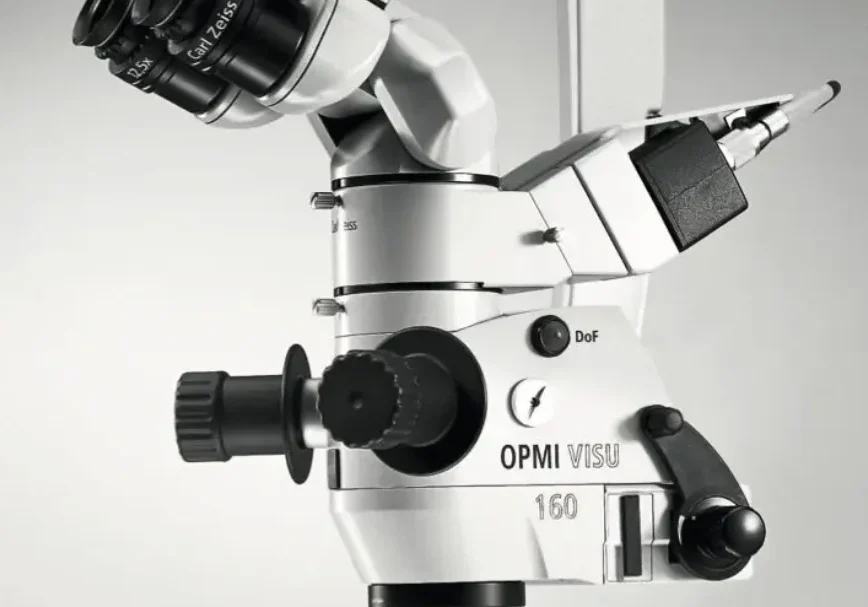
A surgeon is only as precise as the view in front of them. For cataract and ophthalmic surgery, the operating microscope isn’t a supporting tool, it’s the interface between the surgeon’s hands and a structure measured in microns. Getting this equipment decision right shapes surgical outcomes for years.
Quick Answer: What Operating Microscopes Do in Ophthalmic Surgery
An operating microscope for ophthalmic surgery provides magnified, illuminated, stereoscopic visualization of the eye during procedures like cataract extraction, corneal transplants, and vitreoretinal surgery. It combines optics, coaxial lighting, and often a red reflex system that lets the surgeon see fine structures like the lens capsule with enough contrast to work safely.
Core Components That Matter in Surgery
A surgical microscope isn’t one part, it’s a system, and each piece affects the surgeon’s control at the table.
Optics and Magnification
Zoom microscopes let the surgeon shift magnification mid-procedure without breaking focus, which matters during capsulorhexis or IOL placement where the working distance changes constantly. Fixed-magnification scopes are lighter and often cheaper but require more foot pedal or manual adjustment.
Illumination Systems
Coaxial illumination creates the red reflex surgeons rely on to see the lens capsule against the fundus reflection. Xenon and LED are the two dominant light sources now; LED has become standard on newer and refurbished units because it runs cooler and lasts longer, reducing mid-case bulb failures.
Stereoscopic Assistant Scopes
Teaching hospitals and practices that train residents need a co-observation or assistant scope, letting a second surgeon see the identical view in real time. This isn’t optional in academic settings and is worth checking before buying refurbished, since older units sometimes lack this port entirely.
What Most Guides Miss: Microscope Choice Affects Complication Rates, Not Just Comfort
Most equipment comparisons treat microscope selection like a comfort or convenience decision. It’s more than that. Clinical literature has linked inadequate red reflex visualization to a higher risk of posterior capsule rupture during phacoemulsification, one of the more serious complications in cataract surgery. The microscope’s optical quality and illumination aren’t cosmetic upgrades, they’re a variable in surgical safety.
This is exactly why buying refurbished operating microscopes requires more scrutiny than buying a refurbished chair or exam lane light. The optics, calibration, and illumination system all need verification, not just a visual inspection. Our refurbished operating microscope buying guide breaks down exactly what to inspect and test before a unit goes into your OR.
Refurbished vs. New: Where the Tradeoffs Actually Sit
Refurbished operating microscopes deliver the same optical performance as new units, at 40 to 60 percent below new pricing, provided the refurbishment included full recalibration and bulb or LED replacement. The only real gap worth weighing against a refurbished unit is warranty length and software feature sets on newer digital visualization models, since optical quality holds up either way.
Practices building a full surgical suite often pair the microscope purchase with pre-surgical diagnostics. A biometer for accurate IOL power calculations and an OCT unit for pre-op mapping round out the workup that leads into the microscope’s role at the table. Getting the pre-surgical imaging chain right reduces the odds of an unpleasant surprise mid-procedure.
Maintenance Realities
- Optics need periodic cleaning and recalibration, not just at purchase.
- Bulb or LED replacement schedules should be tracked, especially for high-volume ambulatory surgery centers.
- Foot pedal and joystick controls wear faster than most surgeons expect and should be tested during any pre-purchase inspection.
- Draping compatibility varies by microscope head design, worth checking against your current sterile technique.
- Balance and articulation joints on the microscope arm loosen over years of use, which shows up as drift during a case. It’s a cheap fix if caught early and an expensive one if ignored.
Digital Visualization: A Newer Option Worth Understanding
Some newer microscope systems replace the traditional binocular eyepiece with a heads-up 3D display, letting the surgeon and assistant view the procedure on a screen instead of through oculars. Proponents point to reduced neck strain over long case days and easier real-time teaching, since everyone in the room sees the same magnified view instead of only the surgeon and one assistant.
The tradeoff is cost and a learning curve. Digital visualization systems run well above traditional optical microscopes, and surgeons trained for decades on oculars often need real adjustment time before operating at the same comfort level. For a practice building out a first surgical suite or replacing an older unit on a tighter budget, a well-maintained refurbished optical microscope remains the more practical starting point, with digital visualization worth revisiting as a future upgrade once case volume and budget support it.
Questions to Ask Before You Buy
- How many hours are on the light source, and what’s the expected life remaining?
- Was the unit refurbished by the original manufacturer, a certified third party, or an unverified reseller?
- Does the microscope include a working assistant scope, and does that scope share the exact optical path as the primary surgeon’s view?
- What’s the warranty term, and does it cover optics separately from the mechanical arm and stand?
- Can the vendor provide service history or a maintenance log from the unit’s prior owner?
These questions apply whether you’re buying your first surgical microscope or replacing one that’s aged out. A vendor who can’t answer them clearly is a signal to keep looking, regardless of price.
Final Thoughts on Operating Microscopes for Ophthalmic Surgery
The operating microscope is the one piece of equipment a cataract or ophthalmic surgeon can’t work around. Whether you’re outfitting a new surgical suite or replacing an aging scope, the decision comes down to matching optical performance and illumination quality to your case volume and complexity, not just chasing the newest model. If refurbished is the direction you’re headed, we’re glad to walk through specific units and what to check before you buy.